For data and finance leaders scaling enterprise analytics
Scale your data platform without assembling another stack
DataForge combines pipeline architecture, transformation, orchestration, observability, auditability, and cost visibility in one platform, so teams can extend data capabilities without multiplying tools.
The executive problem
Data platforms get expensive when every layer becomes a separate decision
As data teams scale, the operating model often fragments across ETL, orchestration, monitoring, lineage, quality, access, and cost tools. Each tool can be useful on its own, but together they create more integration work, more failure points, and more architecture to govern.
DataForge starts with the architecture and keeps it consistent. Leaders get a platform that can expand with the business while reducing the hidden cost of stitching the modern data stack together.
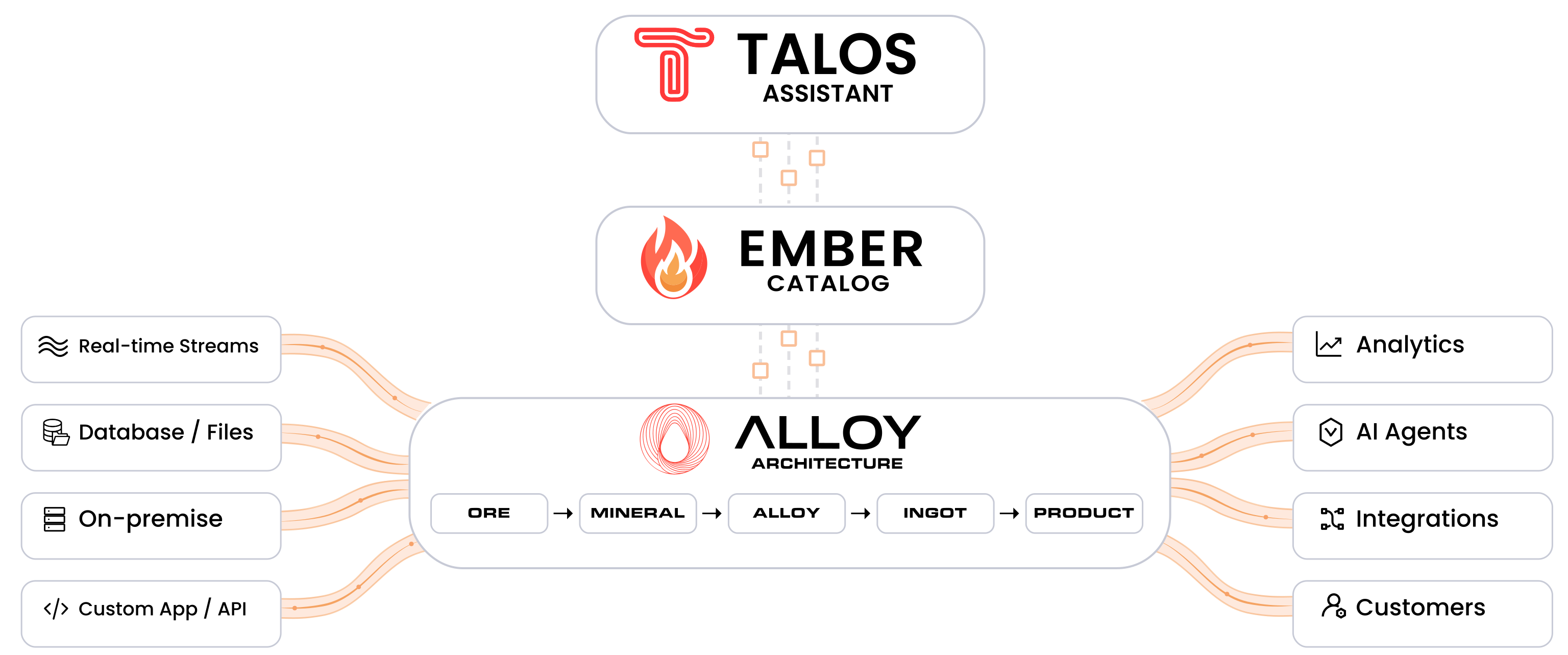
What DataForge consolidates
One platform foundation instead of another chain of point tools
DataForge is not only another pipeline builder. It gives data teams a shared operating layer for building, running, observing, and governing production pipelines.
ETL and pipeline logic
Define reusable pipeline behavior once instead of rebuilding custom ingestion, transformation, and publishing patterns for every new use case.
Orchestration
Let DataForge manage dependencies, retries, scheduling, and event-driven execution without another hand-authored DAG layer.
Observability
Track logs, alerts, quality rules, lineage, runtime metadata, and operating metrics from the same platform foundation.
Governance and auditability
Use consistent architecture, CI/CD integration, lineage, and queryable metadata to understand what changed and why.
Cloud cost visibility
Tie platform cost back to processes, infrastructure choices, and pipeline behavior so leaders can scale with control.
How it works
Architecture is the product, not a project
DataForge uses a fixed, opinionated pipeline architecture so new work follows the same refinement flow by default. Teams describe the data logic and platform intent, while DataForge manages the structural pattern around it.
That means the platform can support new sources, domains, and output models without turning every initiative into a new architecture exercise.
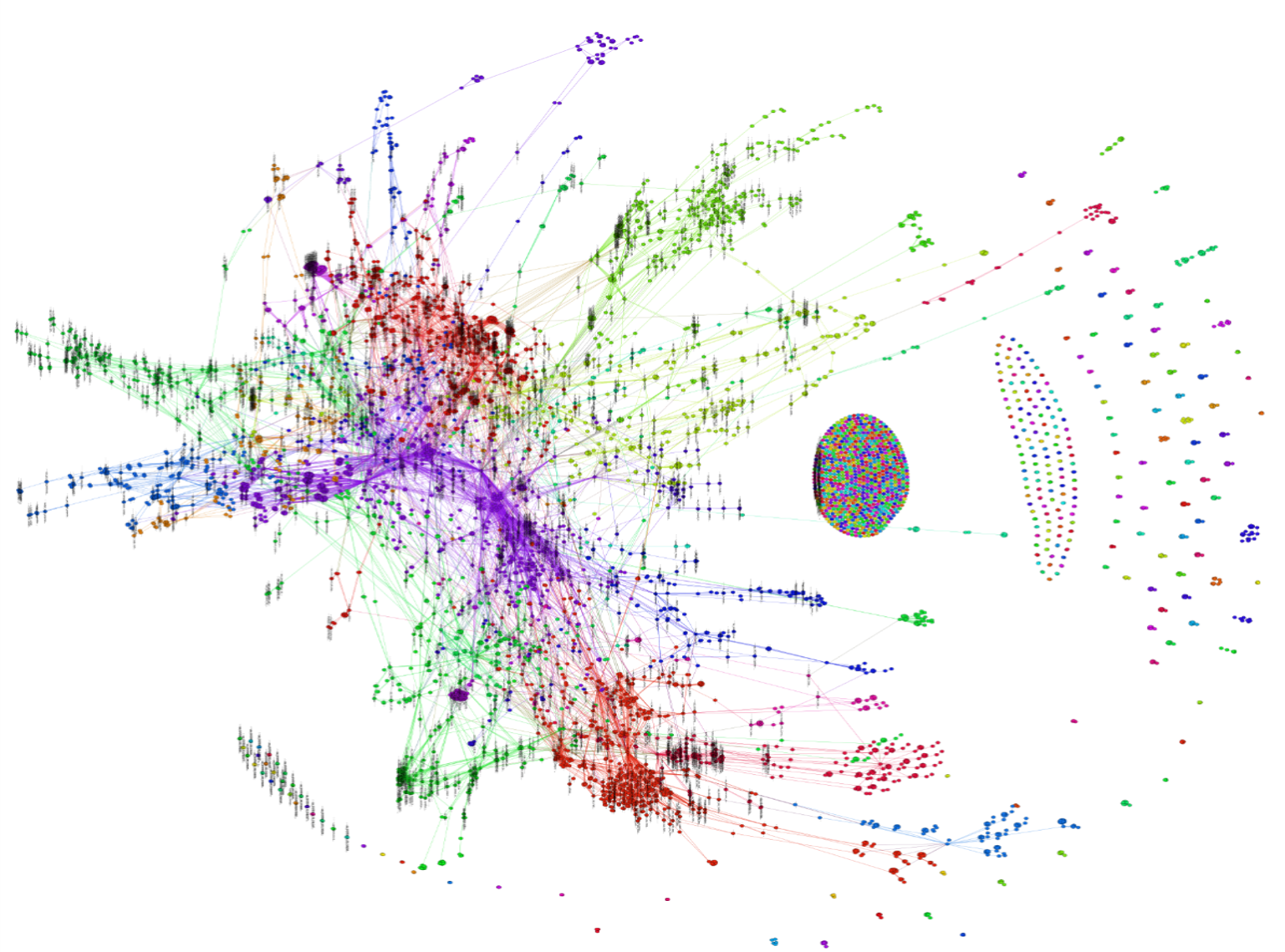
Architecture
Built in, not assembled later
DataForge enforces a consistent platform architecture across pipelines, sources, domains, and teams. New work extends the platform instead of creating another one-off pattern.
Control
Data stays in your cloud
DataForge works with client-managed cloud environments and runs processing through your Databricks or Snowflake account, keeping platform control close to your enterprise boundary.
Velocity
Fast setup, fast extension
Declarative pipeline logic, templates, schema evolution, SDKs, and CI/CD support help teams add new sources and business logic without lengthy platform rebuilds.
Built for enterprise platform control
Run where your data and governance already live
DataForge is designed for teams building on modern cloud data platforms. Processing can run through client-managed Databricks or Snowflake environments, with enterprise controls such as BYOC, SSO, customer-managed keys, CI/CD integration, and dedicated support available.





Proof in production
Built for teams that need more platform leverage, not more tooling
DataForge has helped teams build thousands of pipelines with small engineering groups by standardizing the platform foundation and making extension the default motion.
6,800
pipelines built
85x
pipelines per developer per week
68
source systems for one customer
Solution guides
Evaluate DataForge by platform goal
Enterprise data platform
Enterprise data platform for governed analytics at scale
DataForge helps CDOs, CFOs, and data platform leaders scale analytics without assembling separate ETL, orchestration, observability, lineage, and cost-control tools.
Data pipeline platform
Data pipeline platform for complex enterprise source systems
DataForge helps data teams build, extend, orchestrate, and observe enterprise data pipelines while preserving a consistent architecture across every source and output.
Data engineering platform
Data engineering platform with architecture built in
DataForge gives data engineering teams a structured platform for pipeline logic, orchestration, observability, and governance without forcing data outside the client cloud.
Data orchestration platform
Data orchestration platform without manually assembled DAG sprawl
DataForge orchestrates data pipelines from structured pipeline definitions, dependency metadata, scheduling, and execution history instead of manually maintained DAGs.
Data observability platform
Data observability platform with lineage, quality, audit, and cost context
DataForge observability ties code, orchestration, quality rules, alerts, lineage, audit trails, and cloud cost visibility back to the platform metadata.
For CDOs, CFOs, and data platform leaders
Ready to see what your stack can stop carrying?
Talk with DataForge about your current platform, cloud environment, and pipeline growth plan. We will help map where architecture, orchestration, observability, and cost control can be simplified.