Code as data
DataForge Cloud is backed by a relational database that combines compiled functional code, orchestration details, operational metrics, and other metadata into queryable tables to track every element of the platform. You can skip code scans and third party tools for observability. Now all your logs, lineage, quality rules, and cost data are in one place.
The next generation of data observability
Code as data: queryable with SQL
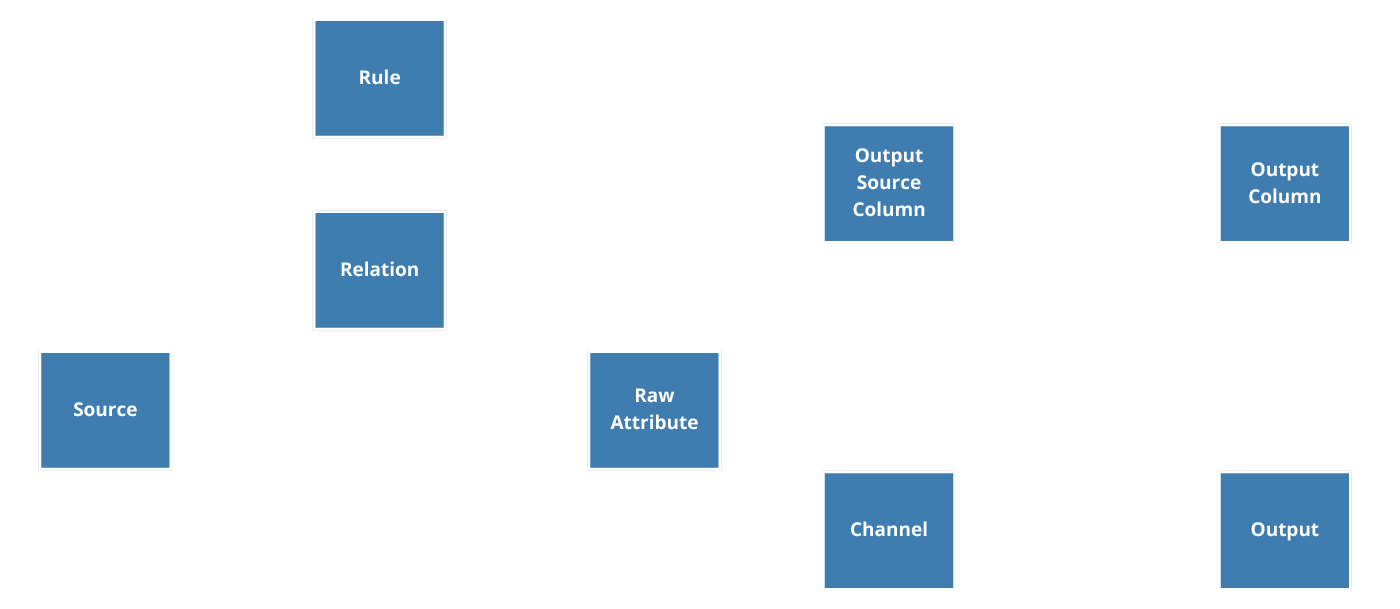
Upon import into DataForge Cloud, functional code is mapped into relational tables. Now, rather than relying on Ctrl-F, you can write custom SQL to analyze your code base. With a row of data for every line of code, find the exact detail you need in seconds.
Data quality, alerts, and operational monitoring
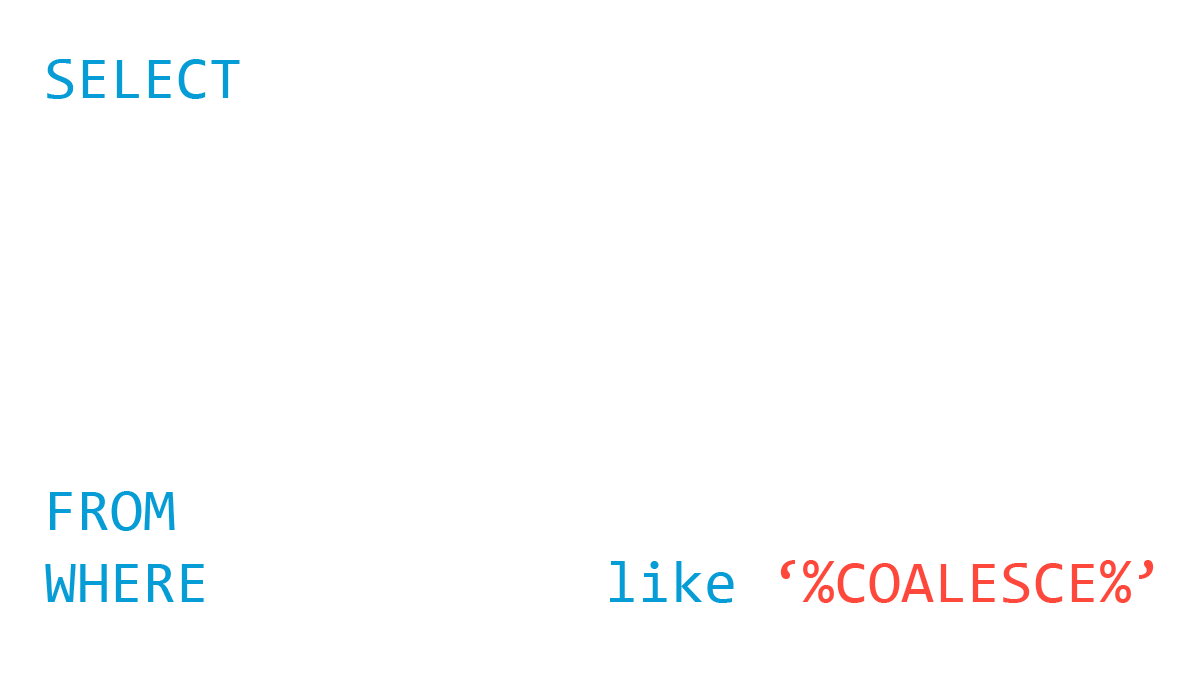
Deploy custom data quality rules, processing alert notifications, monitor infrastructure stability, and track data profiles. All code executions, logs, and alerts are saved in the same relational database as your code, ready for query. Column-level lineage makes diagnoses and resolution of issues quick.
Complete lineage and audit trails
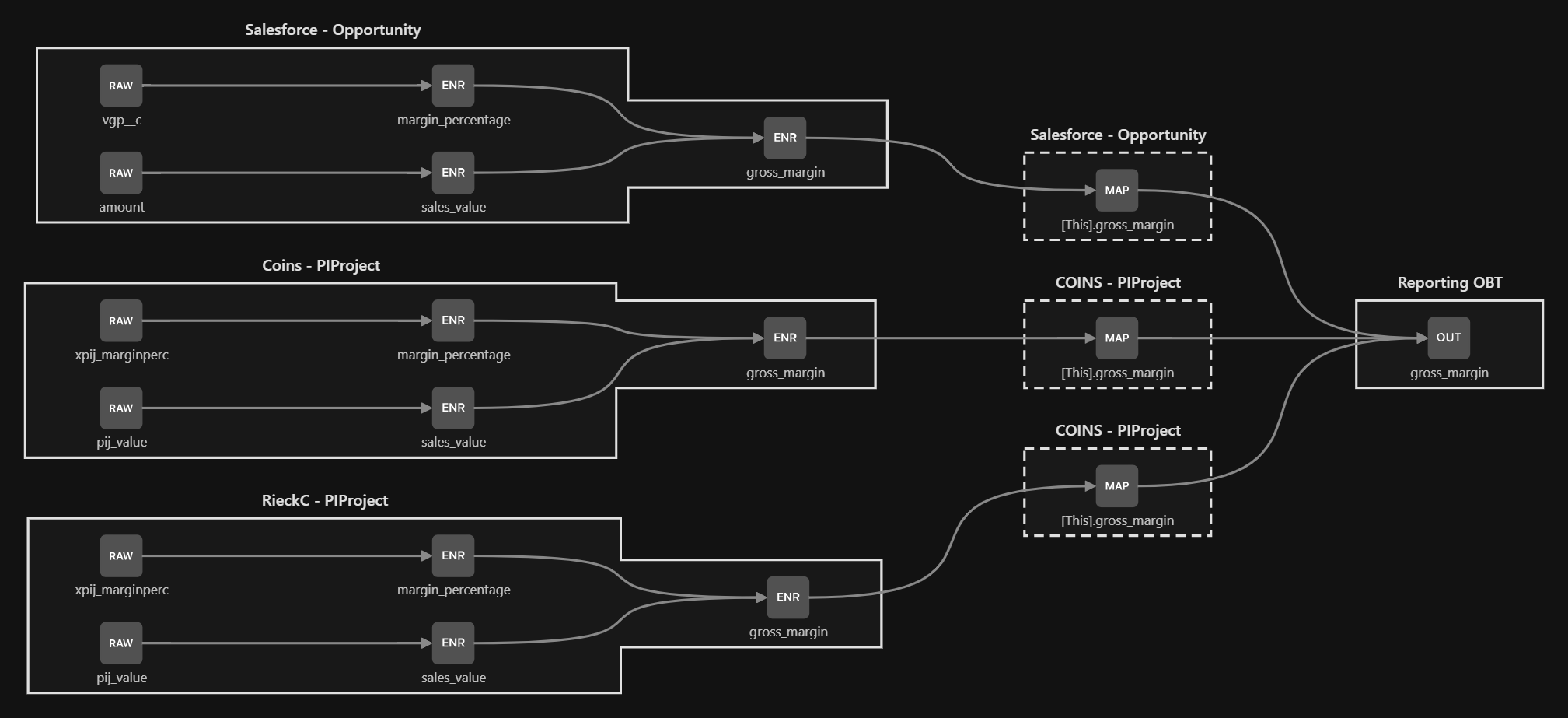
DataForge tracks how every line of code touches every cell of data for every execution. Quickly identify who changed what and for what purpose, fully integrated with modern CI/CD tools and workflows. Run hyper-granular audit reports for compliance with a single query.
Cloud cost visibility and optimization
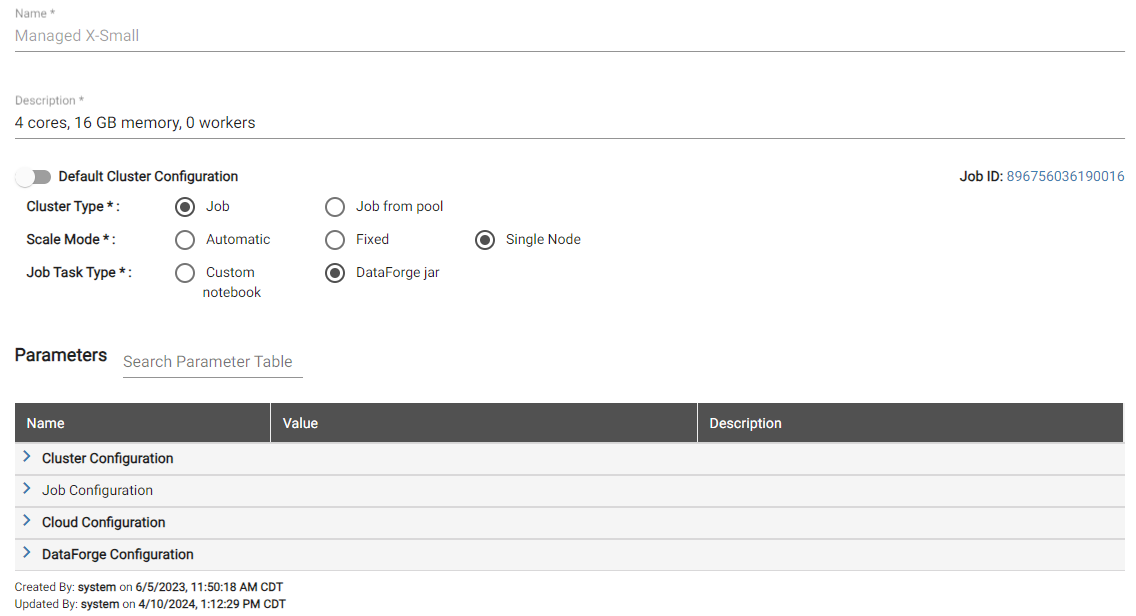
With visibility and detailed metadata across runtime, compute, and storage costs tied to every process in DataForge, it is easy to track and monitor cloud spend. Build automated alerts to detect usage spikes and use built-in tools to tweak and test different infrastructure configurations.
DataForge Cloud
All-in-one web platform
DataForge Cloud is the fastest and most reliable way to deploy DataForge. Develop, orchestrate, operate, and audit functional code pipelines in an all-in-one web-based UI.
Start for freeDataForge Core
Open source CLI
DataForge Core is an open source command line tool that enables teams to write functional data transformation code following software engineering best practices and principles.
View on GitHubSolution guides
Evaluate DataForge by platform goal
Enterprise data platform
Enterprise data platform for governed analytics at scale
DataForge helps CDOs, CFOs, and data platform leaders scale analytics on one platform in place of separate ETL, orchestration, observability, lineage, and cost-control tools.
Data pipeline platform
Data pipeline platform for complex enterprise source systems
Build, extend, orchestrate, and observe enterprise data pipelines through one consistent architecture while processing data in your Databricks or Snowflake account.
Data engineering platform
Data engineering platform with architecture built in
DataForge is a data engineering platform with automatically enforced architecture, replacing separate ETL, orchestration, observability, catalog, and infrastructure tools while processing data in your cloud.
Data orchestration platform
Data orchestration platform that replaces manually assembled DAG sprawl
DataForge orchestrates data pipelines from structured pipeline definitions, dependency metadata, scheduling, and execution history instead of manually maintained DAGs.
Data observability platform
Data observability platform with lineage, quality, audit, and cost context
DataForge observability ties code, orchestration, quality rules, alerts, lineage, audit trails, and cloud cost visibility back to the platform metadata.
Agentic data engineering
Agentic data engineering platform with save-time validation for AI agents
DataForge lets AI coding agents such as Claude Code and Codex build and operate governed data pipelines through an MCP server that validates every write at save.
Data replication
Data replication that ends inside the governed platform
DataForge replicates SQL Server change data through the Outcrop agent that runs inside your network, and merges it directly into governed tables that the transformation layer already consumes.