ETL and pipeline development
Define the intended result while DataForge applies a repeatable architecture for ingestion, change detection, enrichment, consolidation, and delivery.
Data engineering platform
DataForge is the only data platform with architecture embedded and automatically enforced. Your team defines what the data should become; DataForge standardizes how it gets there.
One platform for pipeline development, orchestration, observability, cataloging, and infrastructure management.
Trusted by data leaders at companies like
The Medallion problem
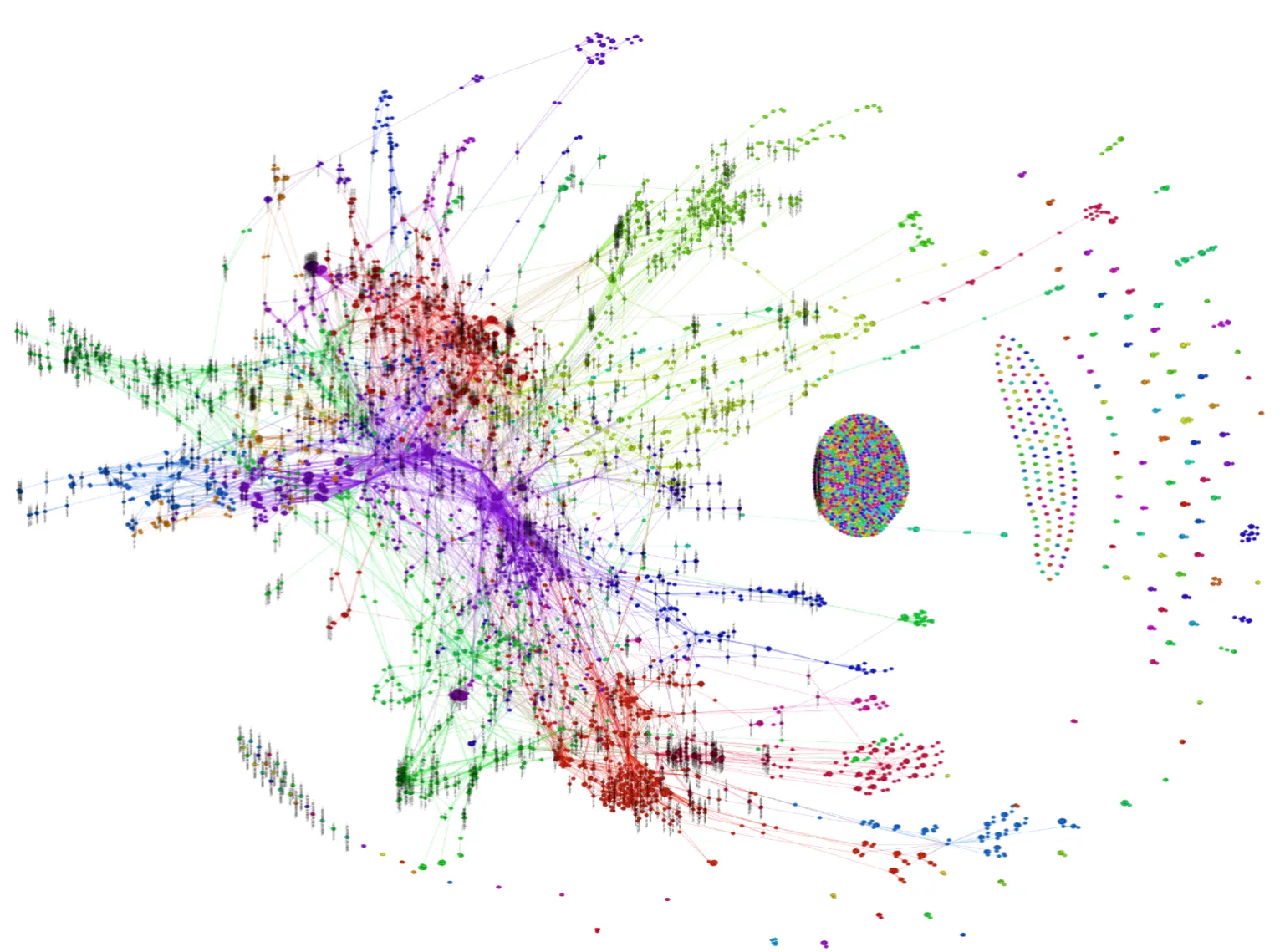
Bronze, silver, and gold gave data teams a useful shared idea. In production, those three layers become staging tables, temporary datasets, custom merge logic, and dependencies that differ from one pipeline to the next.
Tools such as ETL frameworks and workflow schedulers help teams build inside that outline, but they do not enforce the architecture. As the platform grows, the original promise gives way to more code, more exceptions, and more operational risk.
The DataForge difference
Alloy is not a diagram or a convention your team must implement. It is the architecture DataForge automatically applies to every pipeline, across every source, domain, and team.
Batch and streaming follow the same five-stage refinement flow. Teams remain free to choose dimensional, flat, or operational outputs while DataForge keeps the path to those outputs consistent.
Replace the assembled stack
DataForge does more than put familiar features in one interface. The same metadata drives how pipelines are built, run, observed, understood, and governed, so context is not lost between tools.
Define the intended result while DataForge applies a repeatable architecture for ingestion, change detection, enrichment, consolidation, and delivery.
Run dependencies, schedules, retries, and execution history from the same metadata that defines the pipeline.
Connect operational history, quality rules, alerts, and lineage directly to the pipelines they describe.
Keep data logic, configuration, lineage, and audit context together instead of reconstructing it across disconnected systems.
Standardize how workloads are built and operated across teams without moving data out of your cloud environment.
Your environment
DataForge supports Databricks and Snowflake across AWS, Microsoft Azure, and Google Cloud. Processing runs in your provider account, where your data already lives.
Your team keeps control of the data plane while DataForge standardizes the architecture, pipeline logic, orchestration, and operations around it.





One system
Alloy, Ember, and Talos are connected parts of one data engineering platform, not separate products your team must integrate.
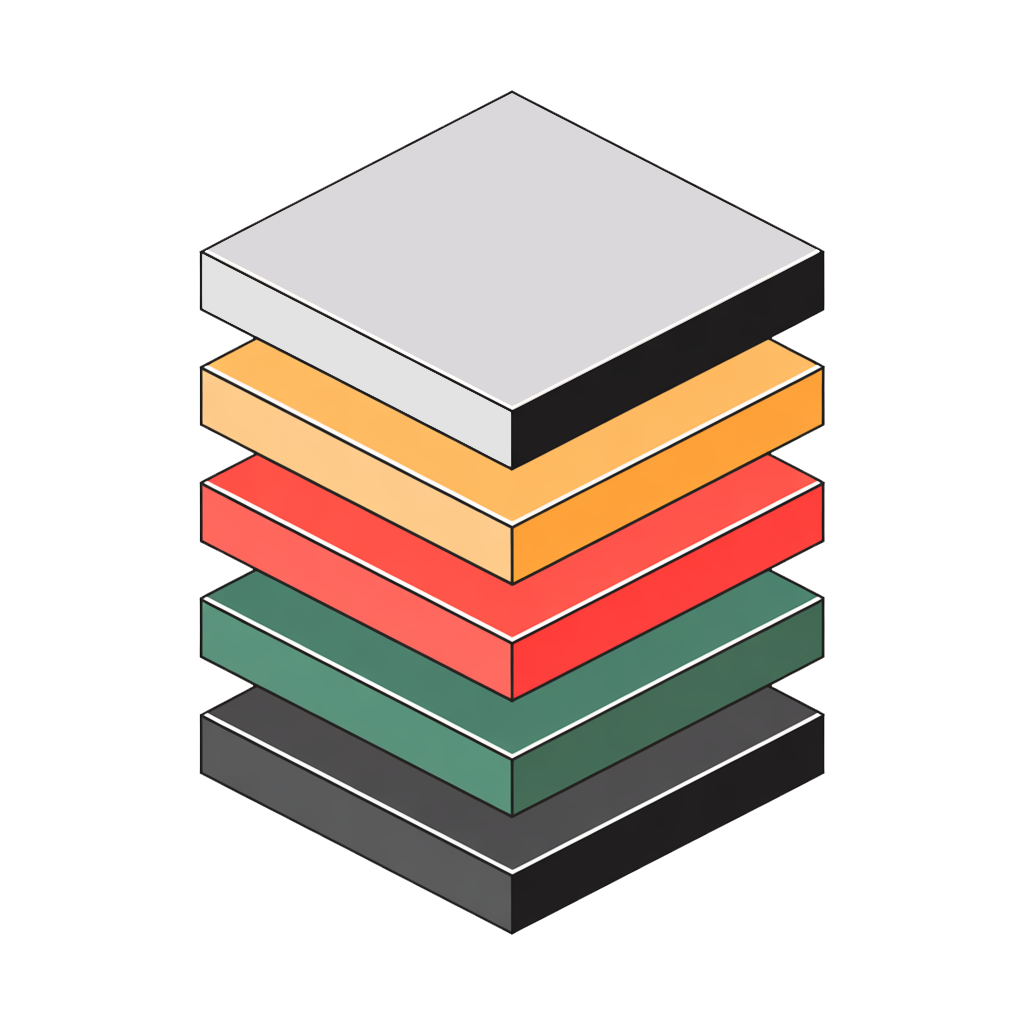
The enforced architecture
Alloy gives every batch and streaming pipeline the same structural path, preventing each project from inventing its own layers and operating model.
Explore Alloy →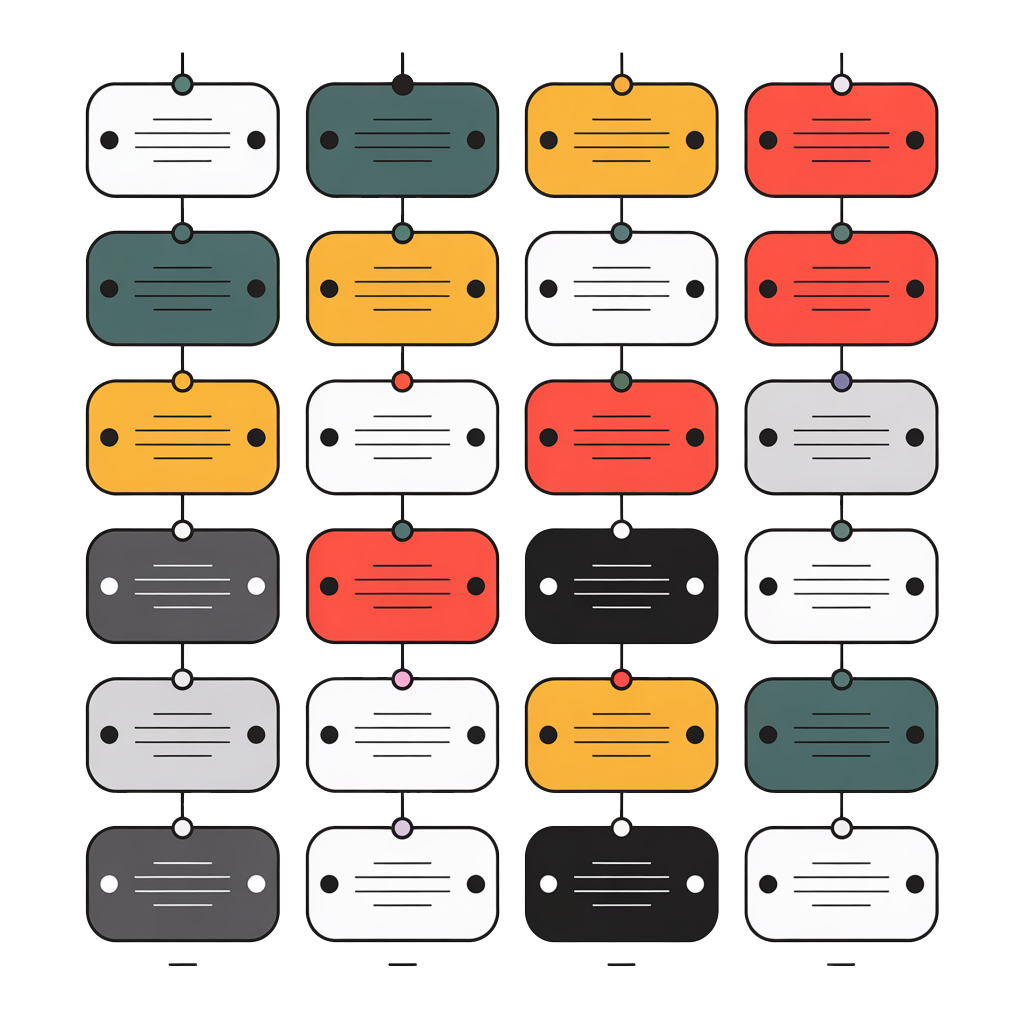
The catalog for data logic
Ember records column-level transformations, business rules, validation, lineage, and execution context as a shared system of record.
Explore Ember →
The architecture-aware AI control plane
Talos turns natural-language intent into structured platform changes constrained by Alloy and Ember, rather than generating arbitrary pipeline code.
Explore Talos →"Service Logic benefits tremendously from DataForge because it keeps our data integrations organized over time despite a complex and expanding landscape of systems. The platform accelerated our initial data transformation and is easy to maintain and enhance with minimal resources, allowing us to generate clean analytics that demonstrate the value of our business model, all without the need for a large team of in-house data experts."

Levi Reeves
VP of Integrations & FP&A
When to evaluate DataForge
DataForge is built for data engineering and platform leaders who need more delivery capacity without adding another tool, another custom framework, or another operating model.
DataForge is a data engineering platform that combines declarative pipeline logic, enforced architecture, orchestration, observability, and governance.
DataForge fits VPs of Data, data engineering leaders, analytics engineering leaders, and platform teams that need more throughput without multiplying tool sprawl.
DataForge can reduce reliance on separate ETL frameworks, workflow schedulers, observability and data quality tools, catalogs, lineage systems, and custom infrastructure code.
DataForge processes data in the customer Databricks or Snowflake account across AWS, Microsoft Azure, or Google Cloud.
Evaluate DataForge when engineering capacity is constrained, platform standards are hard to enforce, or changes require expensive rebuilds across many pipelines.
Bring your current architecture, pipeline volume, and Databricks or Snowflake environment. We will show you where DataForge replaces custom work and disconnected tools.